The foundation.
theDover
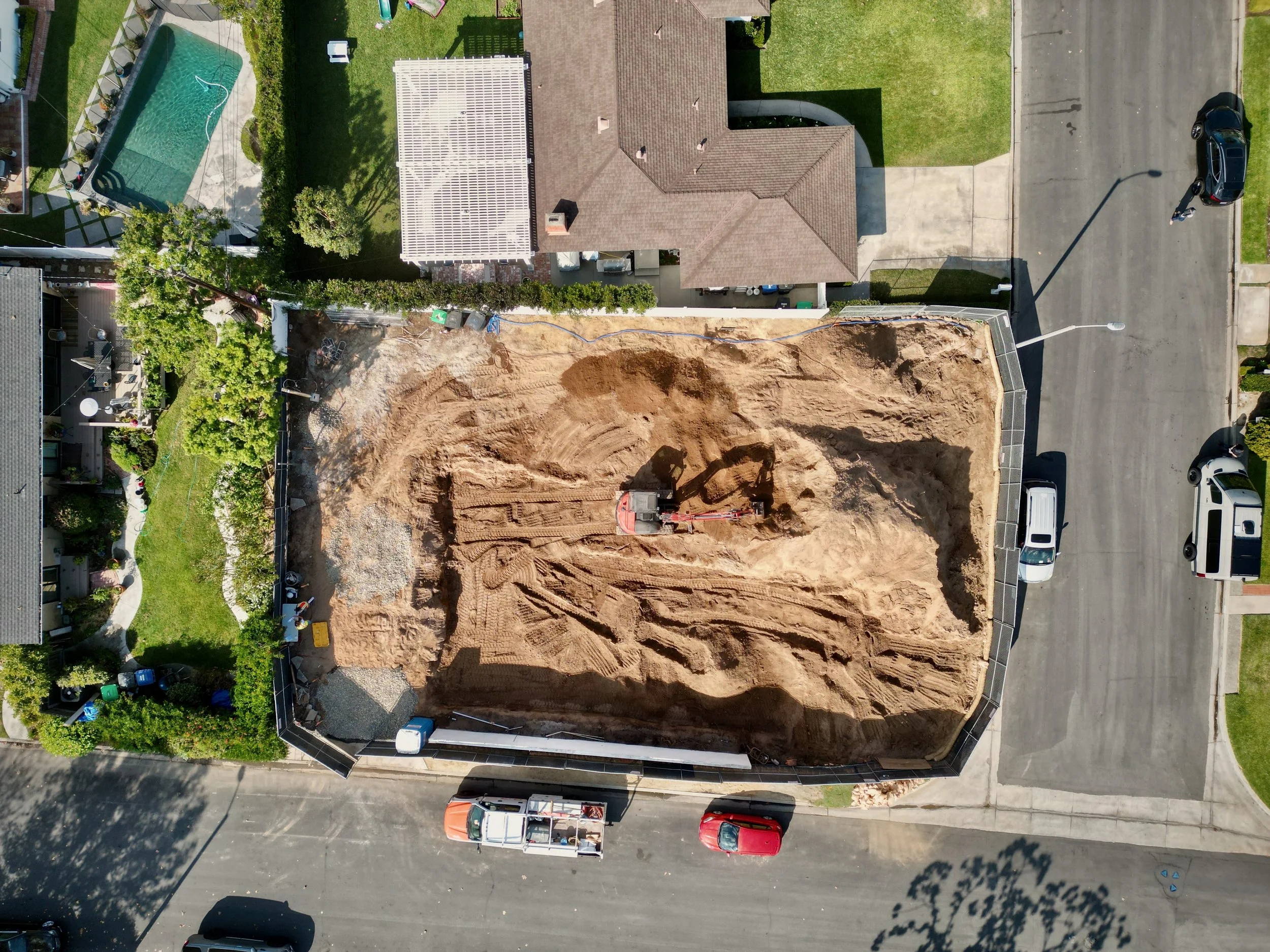
+Shaping the site
Breaking ground is the first visible moment of any project, but it is not the beginning. By the time excavation starts on a site, most of the important decisions have already been made.
The foundation is where planning stops being abstract. Grades, setbacks, structure, drainage, and floor elevations all collide at once. If those items were not resolved early, this is where problems show up.
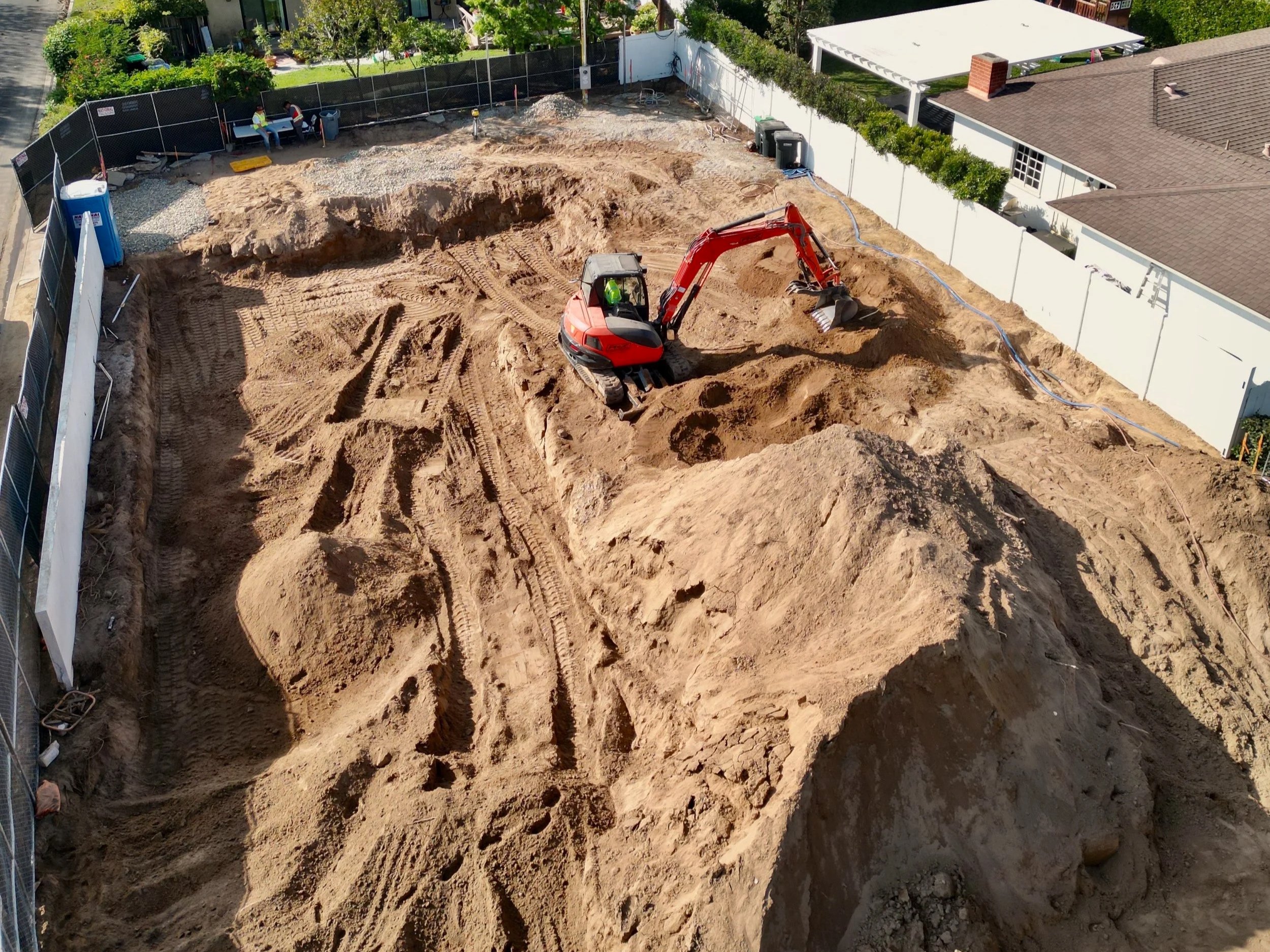
On theDover, excavation marks the transition from drawings to reality. The layout is no longer a plan on paper. It is measured against property lines, neighboring homes, and the street itself. There is no room for interpretation at this stage.
Foundations are not glamorous, but they are unforgiving. A small mistake here carries through framing, waterproofing, and finishes. Getting this part right depends on clear coordination between design, engineering, and construction long before any dirt is moved.
This is also where the value of restraint shows up. Simple massing, clear structural logic, and straightforward load paths make excavation and foundation work easier to execute. Complexity at this stage rarely adds value. It usually adds risk.
+Where structure begins
As the site is graded, you can start to read the project. You see where the house sits. You understand how it relates to the street and the surrounding homes. These relationships are set now. Everything above the foundation is built on these decisions, literally and figuratively.
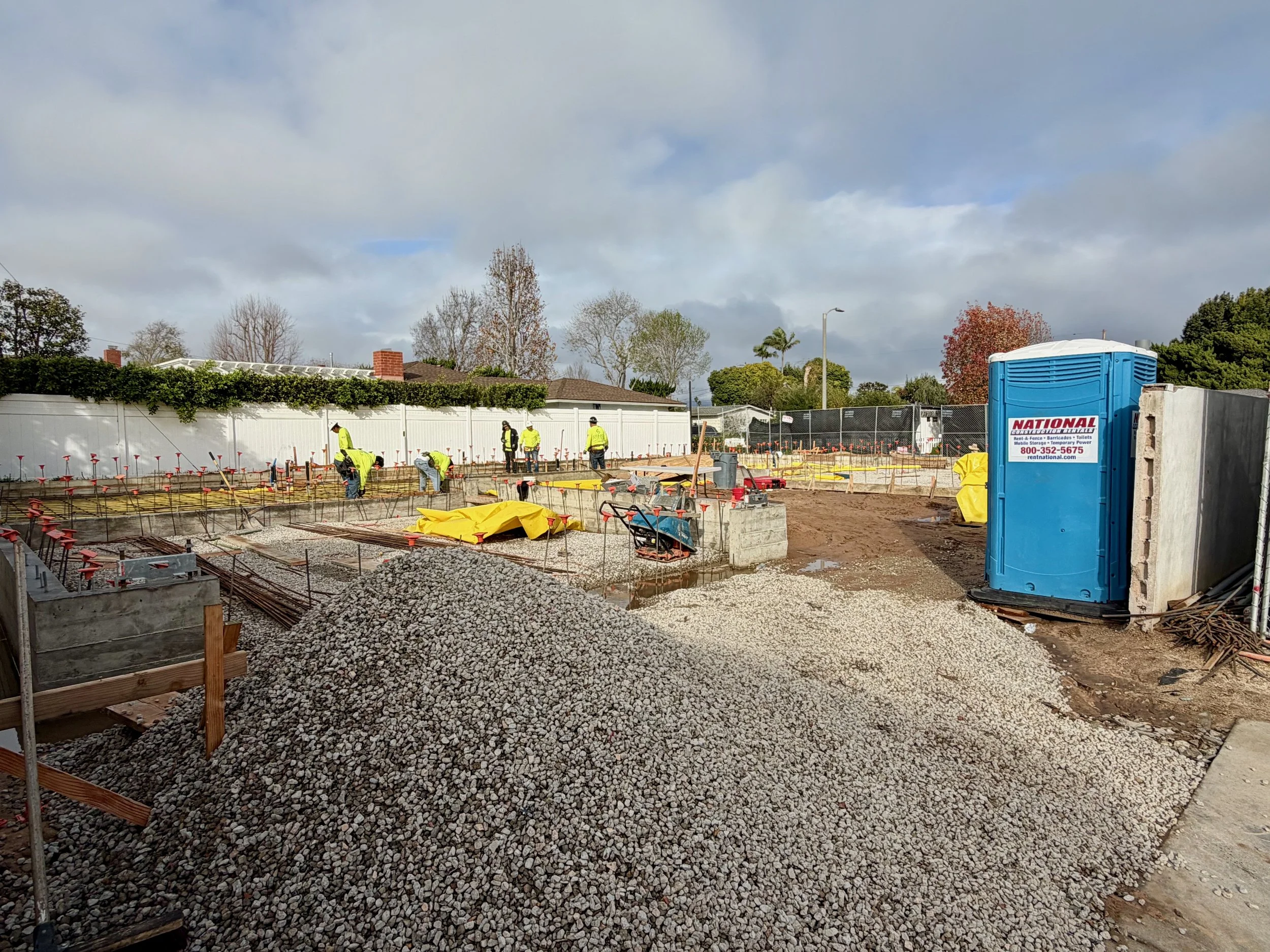
The Dover foundation is not about speed or spectacle. It is about accuracy. Clean lines, correct elevations, and a clear starting point for the structure that follows.
Once the foundation is in, the project moves quickly. Framing gives scale and volume. Spaces begin to feel real. But none of that works without a solid base.
This is where the work starts. I’ll be documenting the build as it progresses on Instagram →